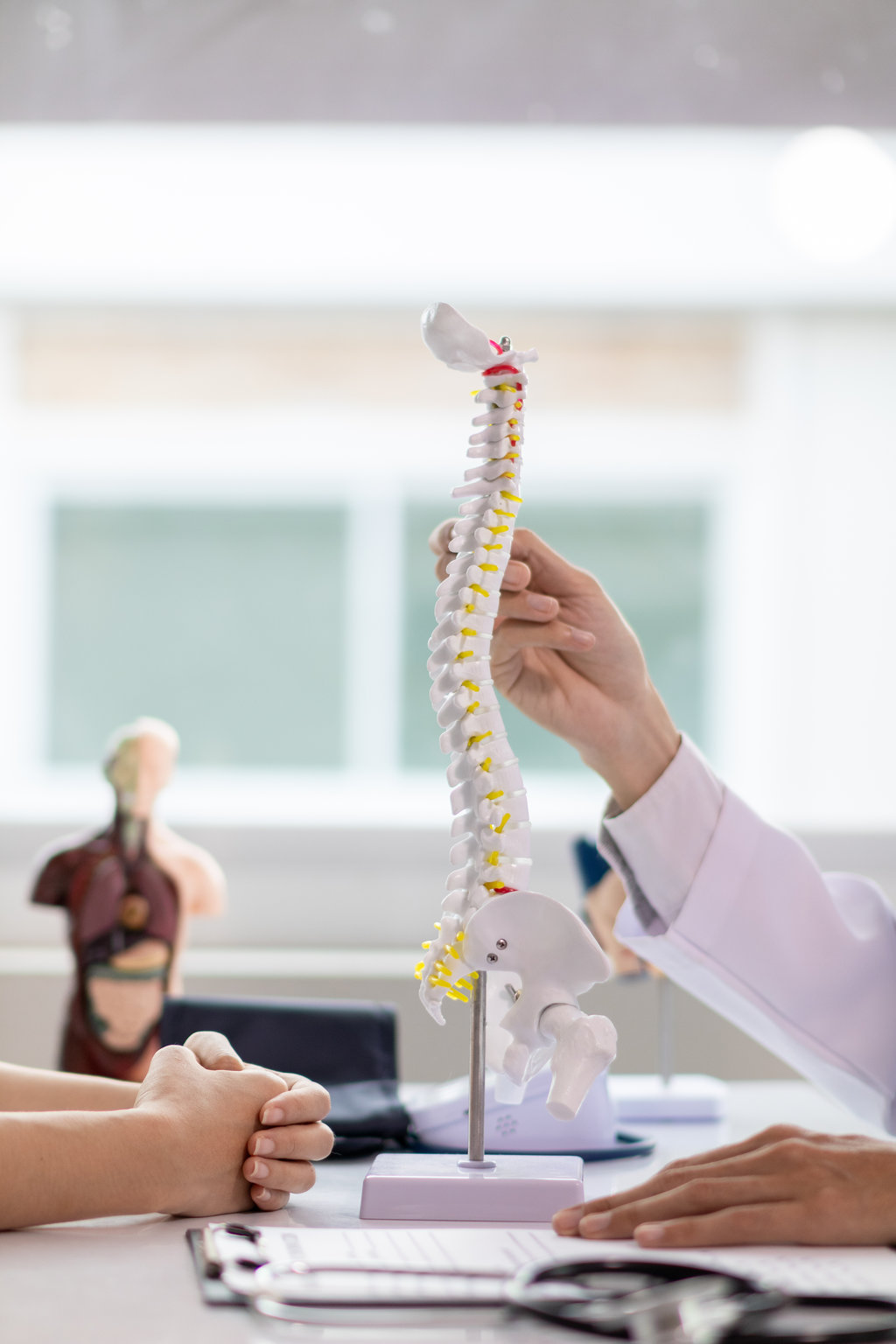
Oasis now offers Virtual Consultations for your initial evaluation.
Improve mobility, gain diagnosis, and achieve pain relief for your back, neck, or legs with a Transforaminal Epidural injection.
Nerve root compression in your spine can cause intense, radiating pain that disrupts every aspect of your daily life. When a herniated disc, bone spur, or other spinal structure presses against a nerve as it exits your spinal column, you may experience shooting pain down your arm or leg, along with numbness, tingling, and weakness. While oral medications and physical therapy help many patients, some cases require more targeted intervention to reduce inflammation and provide lasting relief. Transforaminal epidural steroid injections deliver powerful anti-inflammatory medication directly to the inflamed nerve root, often providing significant pain reduction when other conservative treatments haven’t been effective.
Oasis Orthopedic & Spine offers advanced injection therapies for spine-related pain across multiple locations in New Jersey, including Glen Rock, Union, and Clifton. Our board-certified spine specialists perform transforaminal epidural injections using precise imaging guidance to ensure accurate medication placement and optimal results. We understand that chronic nerve pain significantly impacts your quality of life, and we’re committed to providing effective, minimally invasive treatment options that help you return to your normal activities with reduced pain and improved function.
Transforaminal epidural injections are a specific type of epidural steroid injection that targets individual nerve roots as they exit the spinal column through openings called foramina. This targeted approach differs from interlaminar epidural injections, which deliver medication into the general epidural space. By injecting directly into the foramen near the affected nerve root, transforaminal injections provide more concentrated medication delivery to the source of inflammation. The injection contains a corticosteroid to reduce inflammation and often includes a local anesthetic for immediate pain relief during and after the procedure.
The procedure is performed as an outpatient treatment and typically takes 15 to 30 minutes. Your physician uses fluoroscopy, a type of real-time X-ray imaging, to guide the needle precisely to the target location. This imaging guidance ensures the medication reaches the inflamed nerve root while avoiding nearby blood vessels and other structures. The corticosteroid medication begins reducing inflammation over several days, with most patients experiencing peak relief within one to two weeks after the injection. The effects can last from several weeks to several months, and some patients achieve long-lasting relief from a single injection.
Transforaminal epidural injections effectively treat various spine conditions causing nerve root compression and radicular pain. Herniated discs are among the most common indications for this treatment. When the soft inner material of a spinal disc bulges or ruptures through its outer layer, it can press against nearby nerve roots, causing intense pain that radiates along the nerve’s pathway. The anti-inflammatory medication reduces swelling around the compressed nerve, relieving pressure and decreasing pain signals. Patients with cervical disc herniations experience relief from neck pain radiating into the shoulder, arm, and hand, while those with lumbar disc herniations find relief from lower back pain extending into the buttock, leg, and foot.
Spinal stenosis, the narrowing of spaces within your spine, also responds well to transforaminal injections. This degenerative condition develops as bone spurs, thickened ligaments, and bulging discs gradually encroach on the nerve pathways. Foraminal stenosis specifically affects the openings where nerve roots exit the spinal column. Degenerative disc disease and facet joint arthritis can contribute to nerve compression and inflammation, making transforaminal injections an appropriate treatment option. Post-laminectomy syndrome, where patients continue experiencing pain after spine surgery, may also benefit from targeted injection therapy. Understanding when to seek orthopedic care helps ensure you receive appropriate evaluation and treatment for nerve-related spine pain.
Before your transforaminal epidural injection, you’ll discuss your medical history, current medications, and treatment goals with your physician. You may need to temporarily discontinue blood-thinning medications to reduce bleeding risk. On the day of your procedure, you’ll be positioned on your stomach on the fluoroscopy table. Your physician cleans and numbs the injection site with local anesthetic. Using fluoroscopic guidance, they advance a thin needle through your skin and muscles to the target foramen. Contrast dye is injected to confirm proper needle placement before delivering the steroid medication.
Most patients experience minimal discomfort during the procedure beyond a brief stinging sensation from the local anesthetic. You may feel pressure as the medication is injected, and some patients experience temporary leg weakness or numbness from the local anesthetic. These effects typically resolve within a few hours. You’ll rest in a recovery area for 15 to 30 minutes before going home. Someone should drive you home after the procedure. You can resume normal activities the next day, though your physician may recommend avoiding strenuous activity for a day or two. Some patients experience temporary increased pain for the first day or two as the local anesthetic wears off before the steroid takes effect.
Oasis Orthopedic & Spine‘s fellowship-trained spine specialists have performed thousands of injection procedures with excellent outcomes for patients suffering from nerve-related spine pain. Our comprehensive approach includes thorough evaluation, precise injection technique using advanced imaging guidance, and coordinated follow-up care to maximize your results. We take the time to explain the procedure, answer your questions, and ensure you feel comfortable and informed throughout your treatment. With multiple convenient locations throughout New Jersey, we provide accessible, high-quality spine care when you need it most.
Don’t let nerve pain control your life or limit your activities any longer. Transforaminal epidural injections may provide the relief you need to return to living without constant pain. Schedule your consultation today to discuss whether this treatment option is right for you and take the first step toward lasting pain relief.