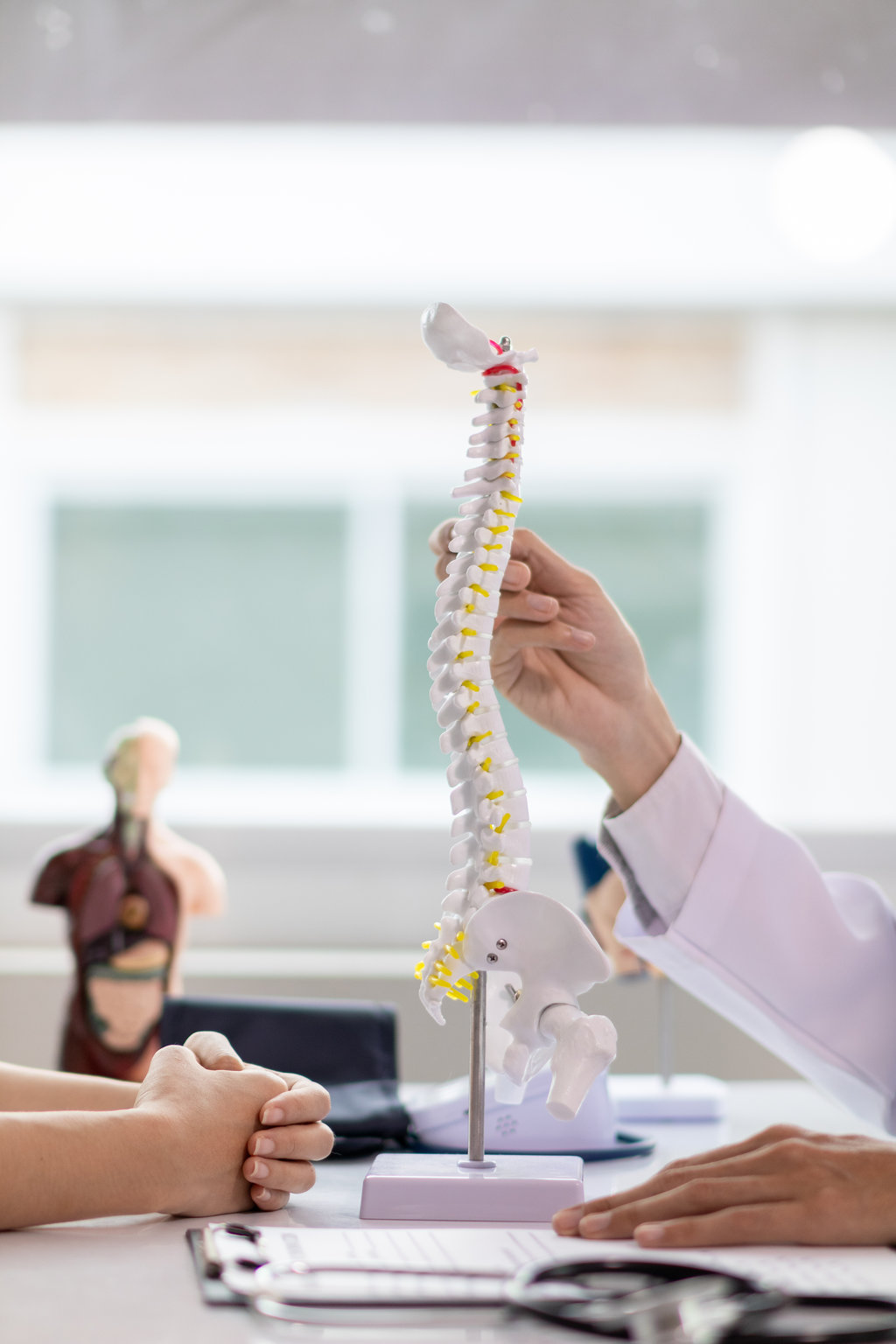
Oasis now offers Virtual Consultations for your initial evaluation.
Find relief from lower back pain and Sciatica symptoms with a Sacroiliac Joint injection.
Persistent lower back and hip pain can turn everyday activities into exhausting challenges. Simple movements like bending, sitting, or walking may become sources of discomfort that interfere with work, family time, and quality of life. When the sacroiliac joint is the source of this pain, finding an effective treatment becomes essential to regaining comfort and mobility.
At Oasis Orthopedic & Spine, we offer sacroiliac joint injections as part of our comprehensive pain management services throughout New Jersey. Our team takes a patient-centered approach to diagnosing and treating SI joint dysfunction, helping you find relief so you can return to the activities that matter most.
The sacroiliac joint connects the sacrum at the base of the spine to the ilium of the pelvis on each side of the body. These joints play a critical role in transferring weight and forces between the upper body and the legs during movement. Unlike highly mobile joints such as the knee or shoulder, the SI joint allows only a small amount of motion while providing significant stability for daily activities.
When the SI joint becomes inflamed or dysfunctional, it can cause pain in the lower back, buttocks, and sometimes the thigh. According to the American Academy of Family Physicians, the prevalence of SI joint dysfunction is approximately 25% in adult patients with chronic low back pain. Conditions such as arthritis, pregnancy, injury, or abnormal walking patterns may contribute to SI joint problems. Women are more likely to experience SI joint dysfunction than men due to differences in joint mobility and the stresses placed on pelvic ligaments. Recognizing the signs of SI joint dysfunction is the first step toward finding appropriate treatment options.
Sacroiliac joint injections serve two primary purposes in the management of lower back pain. First, they help confirm whether the SI joint is the actual source of your discomfort. Second, they provide therapeutic relief by reducing inflammation and pain in the affected area. This dual function makes SI joint injections a valuable tool for both diagnosis and treatment.
During the procedure, a physician uses fluoroscopic guidance to precisely position a needle into the SI joint. A combination of local anesthetic and corticosteroid medication is then injected directly into the joint space. The anesthetic provides immediate but temporary pain relief, while the corticosteroid works over the following days to reduce inflammation and provide longer-lasting comfort. Patients who experience significant relief from a diagnostic injection can feel confident that the SI joint was indeed the source of their pain.
The injection itself typically takes only 15 to 30 minutes to complete. Patients lie face down on a procedure table while the skin over the injection site is cleaned and numbed with a local anesthetic. The physician then guides the needle using real-time imaging to ensure accurate placement before delivering the medication.
Most patients can return home shortly after the procedure and resume normal activities within a day or two. Some temporary soreness at the injection site is normal and usually resolves quickly. Many patients begin experiencing significant pain relief within a few days as the anti-inflammatory effects of the corticosteroid take hold.
The length of pain relief from SI joint injections varies among patients. Some individuals experience relief lasting several weeks, while others may enjoy months of reduced discomfort. Factors influencing the duration of relief include the severity of the underlying condition, overall health, and activity levels. Patients who respond well to initial injections may benefit from periodic repeat treatments to maintain their comfort and function.
Patients experiencing chronic lower back pain that has not responded to conservative treatments may be good candidates for sacroiliac joint injections. Common symptoms that suggest SI joint involvement include the following:
If you have been dealing with low back pain and other treatments have provided limited relief, discussing SI joint injections with a qualified physician may help identify the source of your pain and provide meaningful improvement. Our team can evaluate your symptoms and medical history to determine whether this treatment approach is appropriate for your situation.
While SI joint injections can provide significant relief, they are most effective when used as part of a broader treatment strategy. Our physicians may recommend combining injections with other therapies to achieve optimal results. For some patients, radiofrequency ablation may be considered if injections provide temporary relief and confirm the SI joint as the source of pain. This procedure uses heat to interrupt pain signals and can offer longer-term relief for appropriate candidates.
Addressing underlying factors that contribute to SI joint dysfunction is also important. This may include strengthening exercises, posture modifications, and lifestyle adjustments that reduce stress on the joint. Patients with related conditions such as sciatica or disc degeneration may benefit from additional treatments that address multiple sources of discomfort. Our team works with each patient to develop an individualized treatment plan that addresses both immediate pain relief and long-term joint health.
Living with chronic lower back or hip pain does not have to be your reality. The team at Oasis Orthopedic & Spine is committed to helping patients throughout New Jersey find relief through advanced treatments like steroid injections and other minimally invasive procedures. With multiple locations across the state, patients in communities from Jersey City to Glen Rock and beyond can access quality care.
Take the first step toward reducing your pain and improving your quality of life. Request an appointment today to discuss whether sacroiliac joint injections may be right for you.